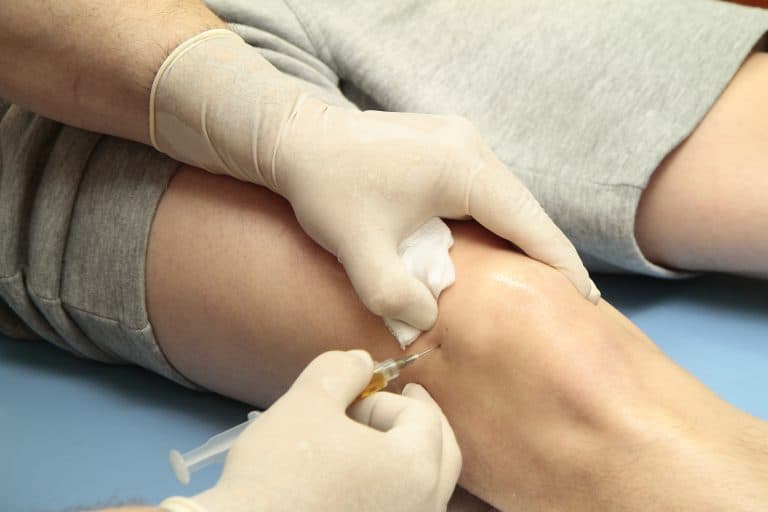



Biologically-Driven Innovations in Non-Surgical Knee Cartilage Repair: Comparing Traditional Approaches with ChondroFiller®
Introduction
There is an increasing demand for effective, non-surgical options to repair knee cartilage , as many people want to avoid the risks and lengthy recovery associated with surgery. Knee cartilage is notoriously difficult to heal naturally because it lacks a direct blood supply and has a complex structure. As clinical research puts it, “ Articular cartilage has a poor capacity to heal by itself.” For many patients, steering clear of surgery is essential to reduce downtime and minimise complications. In this article, we’ll explore the latest advances in cartilage regeneration , with a particular focus on innovative injectable treatments . Professor Paul Lee, a leading expert in regenerative orthopaedics, provides specialised care at the London Cartilage Clinic, where such cutting-edge therapies are offered.
Understanding Knee Cartilage Damage and Why Healing Is Challenging
Knee cartilage acts as a protective cushion and shock absorber within the joint but is very vulnerable to damage from injury or wear and tear over time. Unlike most tissues, cartilage doesn’t have its own blood supply, which means it can’t easily repair itself when damaged. Experts warn that “left alone, large areas [of cartilage damage ] are likely to progress into osteoarthritis ,” a painful joint condition. While supplements and exercising can help strengthen muscles around the knee and ease discomfort, they cannot actually restore the damaged cartilage itself.
Exploring Non-Surgical Alternatives to Knee Surgery
If surgery isn’t an option or patients prefer to avoid it, several non-surgical methods can help manage cartilage problems . These include physiotherapy to improve strength and joint stability, lifestyle changes to reduce pressure on the knee, oral supplements such as glucosamine, and conventional injectable treatments like hyaluronic acid and platelet-rich plasma (PRP). While these measures can relieve symptoms and improve mobility, research shows they rarely support significant cartilage regeneration . According to specialists, “There are several available strategies including non-surgical options, and these are formulated into an algorithm” — meaning treatment choices should be personalised to the individual’s situation. Ultimately, these approaches mainly focus on symptom relief rather than repairing cartilage damage .
Free non-medical discussion
Not sure what to do next?
Information only · No medical advice or diagnosis.
Breakthroughs in Injectable Treatments for Cartilage Repair
Recent developments in minimally invasive procedures have introduced new injectable treatments aimed at actually promoting cartilage regeneration . ChondroFiller ® is a prime example: a biologically-inspired scaffold designed to support the growth of healthy cartilage . Unlike older injection methods that mainly target symptoms, ChondroFiller ® acts as a single-step implant that helps repair the tissue itself. Highlighting the importance of comprehensive care, researchers note, “It is important that patient-reported, surgical and functional outcomes are evaluated both in the short term and long term.” This pioneering treatment is available at the London Cartilage Clinic, where Professor Paul Lee expertly administers these advanced therapies.

Who Can Benefit and What to Expect from Treatment and Recovery
Next-generation injectable therapies like ChondroFiller ® are usually best suited for younger or moderately active patients who have specific cartilage defects and wish to avoid surgery. The procedure is minimally invasive, typically straightforward, and offers a simpler recovery compared with traditional knee operations. Patients often experience shorter downtime and fewer risks, allowing them to return to daily activities faster. As clinical studies confirm, “ Cartilage repair and restoration has become an increasingly popular surgical technique to provide symptomatic relief to young patients with focal articular cartilage defects,” emphasising the growing role of such treatments in supporting joint health.
Expert Guidance and Realistic Expectations
It’s important to remember that outcomes can vary, and not all patients will be suitable candidates for advanced non-surgical cartilage repair . A thorough assessment by a qualified specialist is essential to determine the best personalised treatment plan. With his extensive experience, Professor Paul Lee ensures that patients at the London Cartilage Clinic receive knowledgeable advice and compassionate care tailored to their specific needs.
Conclusion
Non-surgical options for knee cartilage repair have advanced significantly in recent years. Biologically-driven injectable treatments like ChondroFiller ® offer promising new ways to encourage cartilage regeneration with less disruption than surgery. For anyone considering these treatments, consulting a qualified healthcare professional is vital to receive advice tailored to their individual situation.
References
Spalding, T., & Peterson, L. E. (2011). Cartilage repair in the young knee. In (pp. ). Oxford University Press. https://doi.org/10.1093/med/9780199550647.003.008002
Stannard, J. P., Cook, J. L., & Farr, J. (2013). Biomechanical outcomes of cartilage repair of the knee. (). Georg Thieme Verlag. https://doi.org/10.1055/b-0034-92491
Quatman, C. E., Harris, J. D., & Hewett, T. E. (2012). Biomechanical outcomes of cartilage repair of the knee. The Journal of Knee Surgery, 25(03), 197-206. https://doi.org/10.1055/s-0032-1322602
Frequently Asked Questions
- Knee cartilage lacks a direct blood supply and has a complex structure, making natural healing slow and unreliable. Without proper treatment, even minor cartilage injuries can progress to osteoarthritis. At London Cartilage Clinic, expert evaluation helps guide personalised care for better outcomes.
- Yes, recent advances like injectable therapies offer non-surgical alternatives to traditional knee surgery. London Cartilage Clinic, led by Professor Paul Lee, specialises in biologically-driven treatments such as ChondroFiller®, which promote cartilage repair with less disruption and downtime than surgical interventions.
- These next-generation injectables, such as ChondroFiller®, are usually most suitable for younger or moderately active patients who have specific cartilage defects. Professor Paul Lee carefully assesses each patient at London Cartilage Clinic to ensure the best individualised treatment approach.
- Professor Paul Lee is a renowned expert in regenerative orthopaedics, offering extensive experience in the latest cartilage repair techniques. At London Cartilage Clinic, patients receive specialist, compassionate care using advanced therapies tailored to their unique needs, helping optimise joint health and recovery prospects.
- Patients at London Cartilage Clinic undergo thorough assessment to determine the best treatment plan. Professor Paul Lee provides clear explanations, professional advice, and personalised care throughout. Treatments are minimally invasive and focused on symptom relief and cartilage repair, with recovery support integrated into every stage.
Legal & Medical Disclaimer
This article is written by an independent contributor and reflects their own views and experience, not necessarily those of London Cartilage Clinic. It is provided for general information and education only and does not constitute medical advice, diagnosis, or treatment.
Always seek personalised advice from a qualified healthcare professional before making decisions about your health. London Cartilage Clinic accepts no responsibility for errors, omissions, third-party content, or any loss, damage, or injury arising from reliance on this material.
If you believe this article contains inaccurate or infringing content, please contact us at [email protected].
London Cartilage Clinic
Modern treatments, designed for lasting knee outcomes
Every treatment plan is selected to help you return to the quality of life you deserve. Our team combines up-to-date techniques with consultant-led decision making across cartilage repair, regeneration and replacement.
What your journey can look like
Step 01
Consultant-Led Assessment
Symptoms, imaging and goals reviewed in one structured appointment.
Step 02
Personalised Treatment Plan
A clear route chosen from repair, regeneration or replacement options.
Step 03
Precision Delivery
Modern techniques and specialist equipment matched to your diagnosis.
Step 04
Long-Term Knee Health
Follow-up guidance focused on durable function and quality of life.
PAAG-8+ Questionnaire
A bright, structured entry point for patients exploring Arthrosamid. The questionnaire helps frame suitability, expectations, and 24-month clinical benefit discussion before a fuller consultant-led review.
Designed for shared decision-making. It does not replace specialist consultation, examination, imaging review, or formal medical advice.